A damaged skin barrier is one of the most common causes behind persistent skin issues such as dryness, irritation, sensitivity, and breakouts. When the skin barrier function is compromised, the skin struggles to retain moisture and protect itself from external aggressors. This condition is often referred to as a broken skin barrier, weakened skin barrier, or even a ruined skin barrier.
Understanding the skin barrier meaning is the first step toward choosing the right skin barrier repair products and building an effective skin barrier skincare routine.
What is skin barrier?
The skin barrier, also known as the skin’s protective barrier, is the outermost layer of your skin. It consists of skin cells held together by lipids such as ceramides, cholesterol, and fatty acids.This structure plays a crucial role in maintaining a healthy skin barrier.
In simple terms, the skin barrier definition is:
it keeps moisture in,
and harmful substances out.
When functioning properly, your skin looks calm, hydrated, and balanced.
What is the purpose of skin barrier?
The main purpose of the skin barrier is protection. A strong skin protectant barrier helps to:
prevent water loss,
defend against bacteria and pollutants,
protect from Ultraviolet rays,
protect your skin from Toxins,
reduce inflammation and sensitivity.
If this protective layer weakens, the skin becomes vulnerable. This is when skin barrier damage symptoms such as redness, dehydration, and acne can appear. Maintaining skin barrier protection is essential for long-term skin health.
What can damage your skin barrier?
Many everyday habits can contribute to a damaged skin barrier face, often without you realizing it.
Moisture loss - Excessive water loss leads to a dehydrated skin barrier, making the skin tight, flaky, and uncomfortable.
Lifestyle factors - Poor sleep, dehydration, smoking, and an unbalanced diet can all weaken the skin’s natural defenses.
Overdoing it - Using too many active ingredients or changing products frequently can overwhelm the skin and result in a weakened skin barrier.
Using harsh chemicals or soaps - Strong cleansers strip the skin of its natural oils, disrupting the skin barrier function.
Over-exfoliating or scrubbing your skin - Physical and chemical exfoliation used too often can quickly lead to a broken skin barrier.
Not using a moisturizer - Skipping hydration prevents the skin from restoring its lipid balance, slowing down repairing skin barrier processes.
Harsh skincare products - Alcohol-heavy or fragranced formulas often trigger irritation and skin barrier damage symptoms.
Sun exposure - UV radiation weakens the skin’s protective layer and accelerates skin barrier damage.
Cold, dry weather - Low humidity environments increase transepidermal water loss and compromise the face skin barrier.
Stress - Chronic stress affects the skin’s ability to regenerate, making restoring skin barrier more difficult.
How to tell if skin barrier is damaged?
When your skin barrier is damaged, the skin is no longer able to protect itself properly. This doesn’t always show up as one clear symptom. Instead, it often appears through ongoing skin problems that don’t seem to improve, even when you try different products.
Below are some common conditions that are closely linked to a weakened or damaged skin barrier, explained in practical terms.
Adult acne
Adult acne often appears as deep, painful breakouts rather than the occasional pimple. If your skin breaks out easily, especially on the jawline, cheeks, or forehead, and feels dry or irritated at the same time, it can be a sign that your skin barrier is compromised.When the barrier is damaged, the skin tries to protect itself by producing more oil, which can clog pores and lead to acne.
Atopic dermatitis (eczema)
Eczema shows up as dry, itchy, inflamed patches of skin that may feel rough or cracked. If your skin itches frequently, especially after washing or shaving, and becomes red or irritated without a clear reason, this often points to a weakened skin barrier.In this state, the skin cannot hold moisture properly and becomes highly reactive.
Ichthyosis
Ichthyosis causes extremely dry, thick, or scaly skin that can look “ashy” or flaky, especially on the face or around the beard area.This condition is strongly linked to a damaged barrier because the skin lacks the natural oils needed to shed dead skin cells normally. If your skin constantly feels rough and never seems to absorb moisturizer well, this can be a warning sign.
Rosacea
Rosacea typically shows up as persistent redness, visible blood vessels, and sensitivity, often on the nose and cheeks. If your face flushes easily, feels hot, or stings when you apply skincare products, your skin barrier may be damaged.A healthy barrier helps control inflammation, while a compromised one allows irritation to build up.
Psoriasis
Psoriasis appears as thick, red patches covered with dry, silvery scales. The skin may feel tight, cracked, or even painful.Although psoriasis has immune-related causes, a damaged skin barrier makes symptoms worse by allowing moisture loss and increasing inflammation.
If you recognize any of these signs, aggressive treatments often make things worse. Strong actives, harsh cleansers, or frequent exfoliation can further weaken the skin.
In these situations, focusing on damaged skin barrier skincare—gentle cleansing, proper hydration, and barrier-supporting ingredients—is usually far more effective than trying to “fight” the problem.Restoring the skin barrier helps the skin calm down, retain moisture, and gradually return to a healthier state.
Signs your skin barrier is damaged
A damaged skin barrier usually doesn’t happen overnight. It develops gradually, and many men don’t immediately connect everyday skin problems with a weakened protective barrier. A common mistake is trying stronger products, which often makes the situation worse instead of better.
If your skin feels unpredictable, uncomfortable, or reacts more than it used to, these are often signs that your skin barrier function is no longer working properly. Below are the most common signs of a bad skin barrier, explained in practical terms.
Acne and breakouts (damaged skin barrier acne)
If you experience frequent breakouts as an adult—especially when your skin also feels dry or irritated—it may not be oily skin at all. When the barrier is damaged, the skin loses moisture and compensates by producing more oil. This imbalance can clog pores and lead to damaged skin barrier acne.
Dry, scaly, or flaky skin
Skin that flakes, looks rough, or feels dry even after moisturizing is a strong indicator of barrier damage. It means your skin can no longer hold onto hydration, which is a core sign that the skin barrier function is compromised.
Redness and irritation
Persistent redness, burning after shaving, or irritation without a clear trigger often points to a weakened skin barrier. Healthy skin can buffer daily stress, while damaged skin reacts quickly and intensely.
Increased sensitivity or stinging
If your skin stings, tingles, or burns when applying products that never bothered you before, this is an important warning sign. A damaged barrier allows products to penetrate too deeply, triggering discomfort and sensitivity.
Infection-prone skin
Cuts, shaving nicks, or blemishes that heal slowly—or become inflamed easily—suggest that your skin protectant barrier is not doing its job. When the barrier is compromised, bacteria can enter the skin more easily.
Itchiness and rough patches
Frequent itching or rough, uneven areas are often linked to moisture loss. This happens when the skin surface is no longer smooth and sealed, another clear sign of barrier damage.
Tight, uncomfortable feeling after cleansing
If your skin feels tight, dry, or uncomfortable right after washing your face, it’s one of the clearest signs that your barrier has been stripped of its natural oils. Healthy skin should feel clean—not tight.
How to repair skin barrier?
Repairing a damaged skin barrier isn’t about adding more steps or stronger products. In fact, the opposite is usually true. When the skin barrier is compromised, the skin is already under pressure. Overuse of active ingredients, frequent exfoliation, or harsh treatments can slow down recovery instead of helping it.
Successful skin barrier repair is built on three core principles: simplification, hydration, and protection.
Simplify your skin care routine
When the skin barrier is weakened, the skin needs fewer distractions and more consistency. Using multiple products at once—especially acids, scrubs, or intensive treatments—keeps the skin in a reactive state.
A minimalist skincare routine to repair skin barrier should focus on just a few essentials:
gentle cleansing
proper hydration
ingredients that support barrier recovery
By cutting back on unnecessary steps, the skin can shift its focus from defending itself to repairing damage. For most men, simplifying their routine leads to calmer skin and faster improvement when dealing with skin barrier damage.
Pay attention to your skin's pH
The surface of the skin naturally functions best in a slightly acidic environment. This balance supports healthy bacteria, normal enzyme activity, and overall barrier strength.
When products disrupt this balance—by being too harsh or poorly formulated—the skin barrier struggles to recover. Using pH-balanced skincare helps create the right conditions for the skin to restore its protective function, reduce sensitivity, and limit ongoing moisture loss.
Try a plant oil to replenish your skin barrier
The skin barrier depends heavily on lipids, which are natural fats that help seal moisture into the skin. When these lipids are depleted, water escapes more easily and the skin feels dry and uncomfortable.
Certain plant-based oils can support natural skin barrier repair by reinforcing this lipid layer. When used sparingly and chosen carefully, they help reduce moisture loss and improve skin comfort—especially for skin that feels tight, rough, or irritated.
The key is moderation and choosing lightweight, non-greasy oils that support the skin rather than overload it.
Useful ingredients to protect and heal your skin barrier
The most effective skin barrier repair ingredients work in three ways:
they attract moisture
help retain hydration
and support the structure of the barrier itself
Hyaluronic acid
Hyaluronic acid plays a critical role in skin hydration. It helps draw water into the skin and keep it there, which is essential for barrier recovery. Dehydrated skin cannot repair itself efficiently, so maintaining proper moisture levels is a key step in healing.
With improved hydration, the skin becomes more flexible, less tight, and better able to restore a healthy barrier.
For daily hydration and barrier-focused care, a serum that combines hyaluronic acid and glycerin is particularly effective.
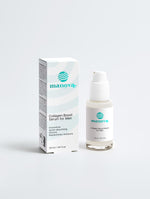
Bioactive Prebiotics Serum For Skin Barrier is a lightweight, gel-based formula designed to hydrate, balance, and support the skin’s protective layer. It helps nourish stressed skin while maintaining a comfortable, non-greasy feel.
Why it supports barrier repair:
Helps strengthen the skin barrier
Contains glycerin and hyaluronic acid for lasting hydration
Includes prebiotics to support the skin’s natural balance
Lightweight texture suitable for compromised skin
This type of formula fits well into a repair skin barrier face routine because it supports recovery without overwhelming the skin.
Glycerin
Glycerin is a dependable and well-tolerated hydrating ingredient. It continuously pulls moisture into the skin and helps maintain hydration throughout the day.
This makes glycerin especially important for skin barrier protection, as well-hydrated skin is more resilient and less prone to irritation caused by environmental stress or daily cleansing.
Ceramides
Ceramides are lipids naturally found in the skin that act like a binding material between skin cells. They help keep the barrier intact and prevent water from escaping.
When ceramide levels are low, the barrier becomes “leaky,” which leads to dryness, sensitivity, and irritation. Replenishing ceramides supports long-term barrier strength and stability.
How long does it take to repair your skin barrier?
Skin barrier repair takes time and consistency. In most cases, noticeable improvement appears within 2 to 6 weeks, depending on how damaged the barrier is and how consistently the routine is followed.
Signs your skin barrier is healing include:
reduced redness and irritation
less sensitivity or stinging
smoother, more comfortable skin
decreased tightness after cleansing
Consistency matters more than intensity. Following a calm, supportive routine every day allows the skin to gradually regain strength. When done correctly, restoring skin barrier health results in skin that is more resilient, balanced, and comfortable in the long term.
How to prevent demaged skin barrier?
When it comes to your skin barrier, prevention is far easier than repair. Most barrier damage doesn’t come from one big mistake, but from small daily habits that slowly weaken the skin over time. The good news is that a few simple adjustments can make a big difference.
These habits help maintain a healthy skin barrier and prevent long-term skin issues.
Wash with warm (but not scalding) water
Hot water may feel good, especially in the shower, but it strips away the skin’s natural protective oils. These oils are essential for keeping the barrier intact.
If your face feels tight or dry right after washing, the water temperature is likely too hot.Using lukewarm water cleans the skin effectively without damaging the barrier or causing unnecessary moisture loss.
Do not use soap for face wash
Regular bar soap or body soap is designed to remove heavy dirt and oil from the body—not for facial skin. These soaps are usually too harsh and disrupt the skin barrier function.
Instead, choose a gentle facial cleanser formulated specifically for skin barrier skincare. The goal is to clean the skin without leaving it feeling tight, dry, or irritated afterward.
Exfoliate gently
Exfoliation removes dead skin cells, but overdoing it is one of the fastest ways to damage the barrier. Scrubs, brushes, or strong acids used too often can lead to a ruined skin barrier.
If your skin feels raw, sensitive, or stings after exfoliating, that’s a clear sign you’ve gone too far. For most men, exfoliating occasionally—and gently—is more than enough.
Don’t over-cleanse
Washing your face too frequently strips away protective lipids that the skin needs to stay balanced. This weakens the barrier and triggers dryness or irritation.
Cleansing once or twice a day is sufficient for most skin types. More than that doesn’t mean cleaner skin—it usually means a weakened skin barrier.
Keep skin moisturized
Moisturizing is not just a solution for dry skin—it’s a daily essential for keeping your skin barrier strong and resilient. A high-quality skin barrier moisturizer doesn’t simply add moisture; it helps lock hydration into the skin and shields it from everyday stress like shaving, pollution, and temperature changes.
If your skin feels tight after washing or uncomfortable during the day, that’s a clear signal it needs better moisture support. Consistent moisturizing keeps the skin barrier flexible, balanced, and comfortable, reducing irritation and improving overall skin appearance over time.
For men who want visible results without irritation, Retinol Alternative Moisturiser is an ideal choice. It delivers retinol-like anti-aging benefits using Bidens Pilosa extract, a natural retinol alternative that helps reduce the appearance of fine lines and wrinkles—without the redness or sensitivity often associated with traditional retinol. Lightweight yet deeply hydrating, it leaves the skin smooth, nourished, and refreshed, making it perfect for daily use.
If your skin is easily irritated or reacts to fragrance, Sensitive Skin Moisturiser (Fragrance Free) offers targeted comfort and protection. This calming formula is designed to reduce redness, soothe irritation, and strengthen the skin’s natural barrier. Its lightweight texture absorbs effortlessly, providing long-lasting hydration without a greasy feel—ideal for sensitive or reactive skin types.
For a fresh, lightweight option that supports hydration and skin tone, Niacinamide Gel Moisturiser delivers powerful multitasking benefits. Enriched with 5% niacinamide (vitamin B3), it helps the skin retain moisture, appear smoother, and reduce the look of uneven tone and pigmented spots. The gel texture feels clean and weightless, making it an excellent choice for men who prefer a non-heavy finish.
Whichever formula you choose, daily moisturizing is one of the simplest and most effective ways to protect your skin barrier, improve comfort, and maintain healthier-looking skin in the long run.
Wear sunscreen!
Sun exposure is one of the most damaging factors when it comes to the skin barrier. UV radiation gradually breaks down the lipids that hold the skin barrier together, triggers inflammation, and weakens the skin’s natural defense system. Over time, this leads to dryness, sensitivity, premature aging, and a compromised barrier that struggles to recover.
Daily sunscreen use isn’t only about preventing sunburn—it’s a key step in skin barrier protection. Applying sunscreen every day, even when it’s cloudy or you’re mostly indoors, helps shield the skin from ongoing damage and supports long-term barrier health.
Mineral Sunscreen SPF30 for Face & Body (no tint) is designed to provide reliable, broad-spectrum UVA and UVB protection while remaining comfortable on the skin. Its mineral-based formula helps protect against premature aging and environmental stress without leaving a white cast. The lightweight texture keeps the skin hydrated and smooth, making it suitable for both face and body use.
For effective protection, apply generously to all exposed areas before sun exposure and reapply every two hours, or more often if swimming, sweating, or towel-drying.
While sunscreen is an essential part of daily skincare, it’s important to remember that no product offers complete protection. Prolonged sun exposure remains a serious health risk, so limiting direct sun time is always recommended—even when using sunscreen.
Consistent sun protection is one of the most powerful habits for preserving your skin barrier and maintaining healthier-looking skin over time.
Keep your skin’s pH balanced
Healthy skin functions best in a slightly acidic environment. This balance supports the enzymes that regulate hydration, renewal, and defense.
Using products that are too harsh or improperly formulated can disrupt this balance, slowing down restoring skin barrier processes and increasing sensitivity. pH-balanced skincare helps keep the skin stable and resilient.
Hydrate your skin
Hydration is one of the most important factors in keeping your skin barrier strong. When the skin lacks moisture, it becomes less flexible, more reactive, and far more prone to irritation. A dehydrated skin barrier can’t protect properly, which often leads to tightness, redness, and discomfort throughout the day.
Proper hydration works on two levels. From the inside, drinking enough water supports overall skin function. From the outside, using the right hydrating products helps the skin lock in moisture and maintain balance. Together, these two steps keep the skin smooth, comfortable, and resilient.
A lightweight hydrating gel like Double Hydration Boost Gel + HA is especially effective for this purpose. Its multi-molecular weight hyaluronic acid helps attract moisture and create a moisture-locking layer on the skin, reducing water loss throughout the day. Ingredients like Sodium PCA and hyaluronic acid support long-lasting hydration, improve skin elasticity, and help soften the appearance of fine lines.
Regular hydration doesn’t just make the skin feel better in the moment—it strengthens the skin barrier over time. Well-hydrated skin is calmer, more elastic, and better equipped to handle daily stress without becoming irritated.
Consistent hydration is one of the simplest ways to prevent barrier damage and keep your skin feeling refreshed and comfortable all day long.
Daily protection
The most important factor in long-term skin health is consistency. Using skin barrier products regularly—rather than switching products often—allows the skin to stay balanced and protected.
A simple, repeatable routine is the foundation of maintaining a strong barrier. Daily protection leads to fewer reactions, less sensitivity, and healthier-looking skin over time.